




Chin Tuck Exercise: Why It's the #1 Move for Neck Health
If there is one exercise that every person who spends time at a computer, on a smartphone, or in any other forward-head position should perform daily, it is the chin tuck. Simple to perform, requiring no equipment, and backed by a substantial body of research evidence, the chin tuck is the most effective single exercise for addressing the forward head posture that is the primary driver of neck pain, headaches, and cervical degenerative change in the modern world. This guide explains exactly what the chin tuck does, why it works, how to perform it correctly, and how to progress it for greater benefit.
What the Chin Tuck Does
The chin tuck, also called cervical retraction, involves sliding the head straight back on a horizontal plane, as if making a double chin. This movement accomplishes several things simultaneously. It activates the deep cervical flexors, particularly the longus colli and longus capitis, which are the primary stabilizers of the cervical spine and the muscles most commonly weak and inhibited in people with neck pain and forward head posture. It gently mobilizes the upper cervical spine (C0-C1 and C1-C2 joints), which are the most commonly restricted joints in people with cervicogenic headache. And it stretches the suboccipital muscles at the base of the skull, which are chronically shortened and overactive in forward head posture.
The deep cervical flexors are the most important muscles for cervical spine health, yet they are almost never trained in conventional exercise programs. They are small, deep muscles that cannot be seen or easily palpated, and they are not activated by the superficial neck movements that most people associate with "neck exercises." The chin tuck is the most effective way to specifically target and strengthen these critical muscles.
How to Perform the Chin Tuck Correctly
Sit or stand with your back straight and your head in a neutral position. Without tilting your chin up or down, slide your head straight back as if you are trying to make a double chin. You should feel a gentle stretch at the base of the skull and a mild activation of the muscles at the front of the neck. Hold for 3 seconds. Return to neutral. Perform 3 sets of 15 repetitions.
The most common mistakes are tilting the chin down (which is a flexion movement, not a retraction movement) and moving the head backward while allowing the chin to rise (which is an extension movement). The correct movement is a pure horizontal translation of the head backward, with the chin remaining level throughout. If you are unsure whether you are performing the movement correctly, perform it with your back against a wall: the goal is to gently touch the back of your head to the wall without tilting your head.
Progressions
Extended Hold: Once the basic chin tuck can be performed without difficulty, increase the hold time to 5 to 10 seconds. Longer holds increase the endurance demand on the deep cervical flexors, which are primarily endurance muscles that respond well to sustained contractions.
Supine Chin Tucks: Lie on your back on a firm surface. Perform a chin tuck by pressing the back of your head gently into the surface while keeping your chin tucked. Hold for 5 seconds. Perform 3 sets of 10 repetitions. The supine position removes the effect of gravity and allows you to focus purely on the deep flexor activation pattern.
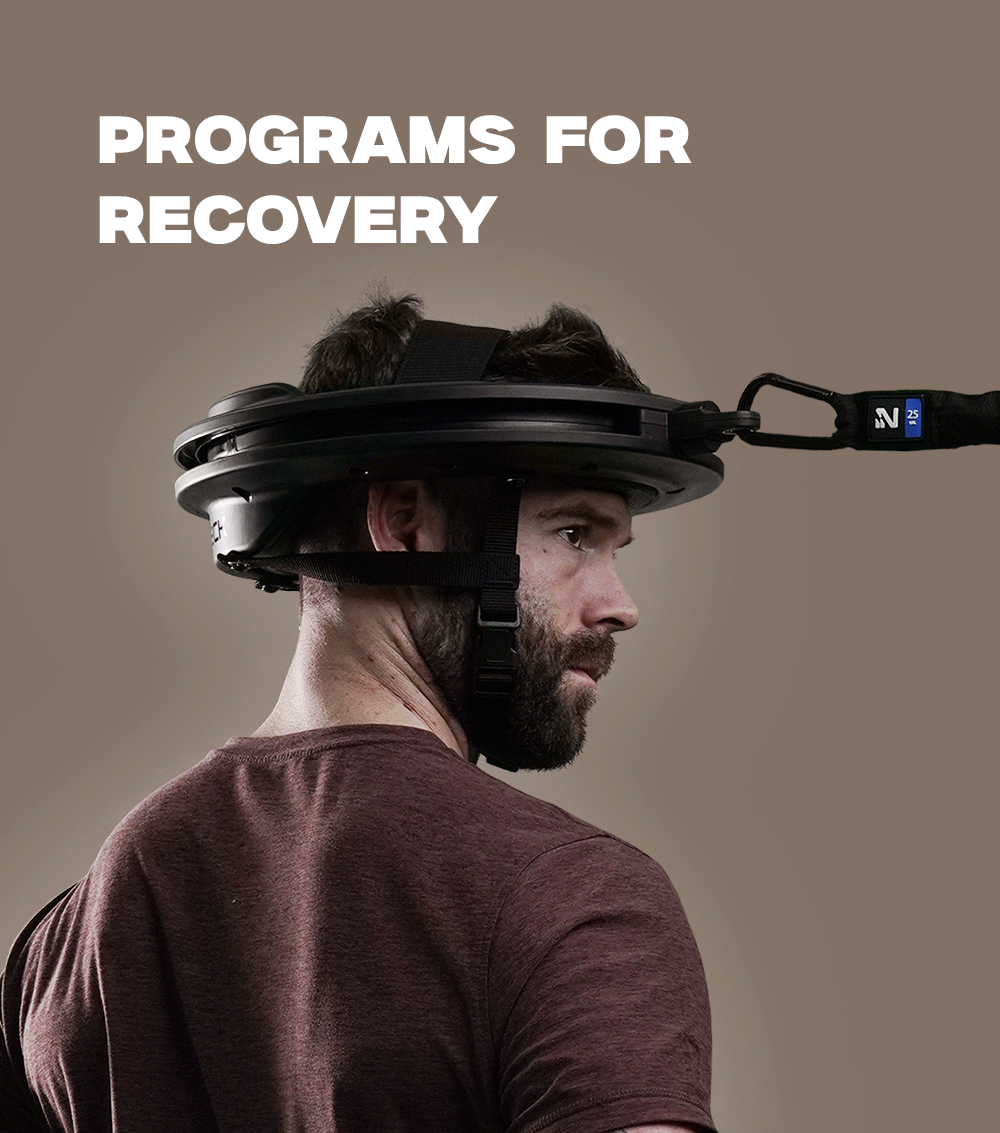
Resisted Chin Tucks: Place a resistance band against your forehead and perform the retraction movement against the resistance. This adds a progressive overload component to the exercise and significantly accelerates strength development. The Iron Neck resistance bands provide multiple resistance levels for systematic progression.
Chin Tuck with Cervical Rotation: Perform a chin tuck and then slowly rotate your head to the right and left while maintaining the retracted position. This variation trains the deep cervical flexors in combination with the cervical rotators and is particularly effective for people with cervicogenic headache.
How Often to Perform Chin Tucks
For people with significant forward head posture or neck pain, performing chin tucks multiple times throughout the day produces the fastest results. A useful approach is to perform 15 repetitions every hour during the workday, using a timer or phone reminder. This frequent repetition builds the deep cervical flexor strength and endurance needed to maintain good head position throughout the day, rather than relying on willpower alone.
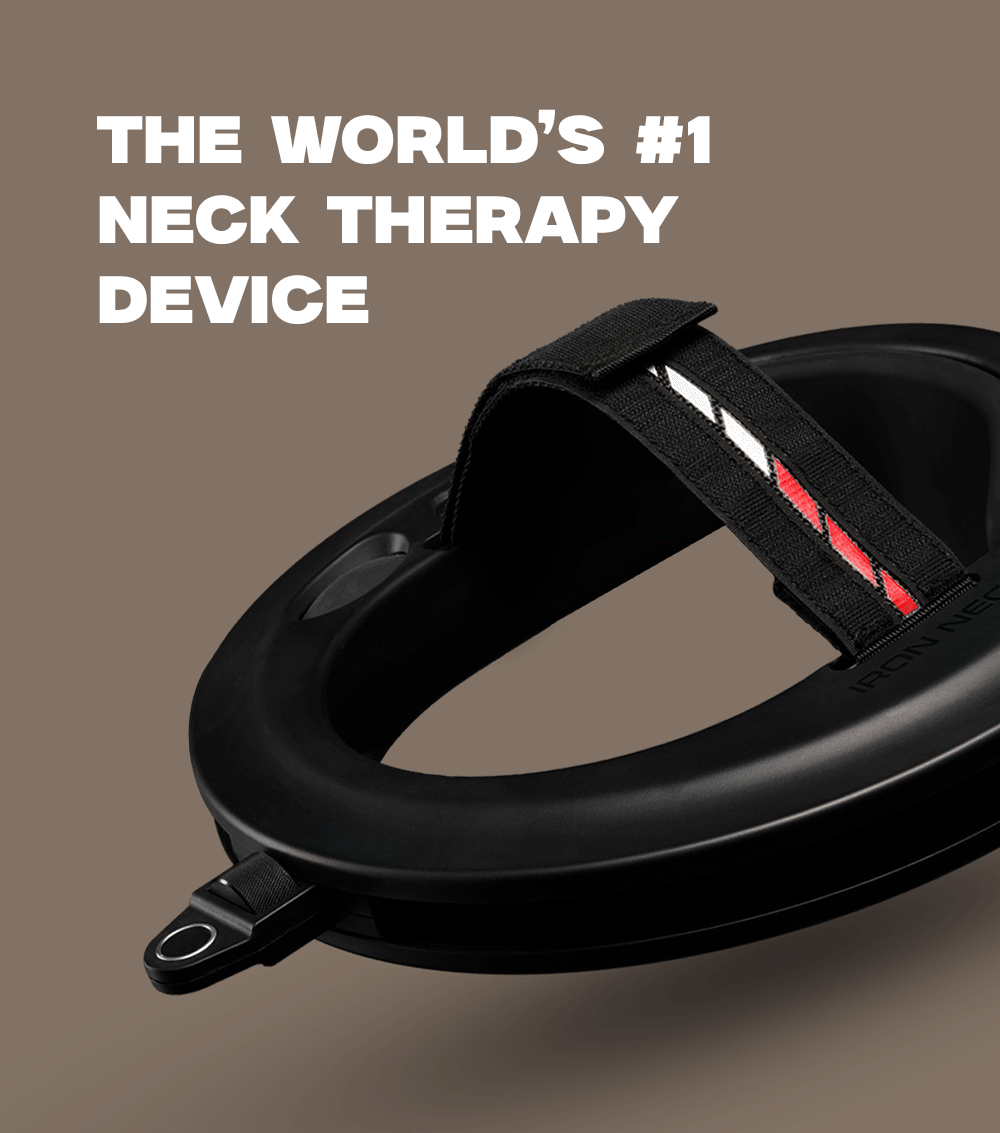
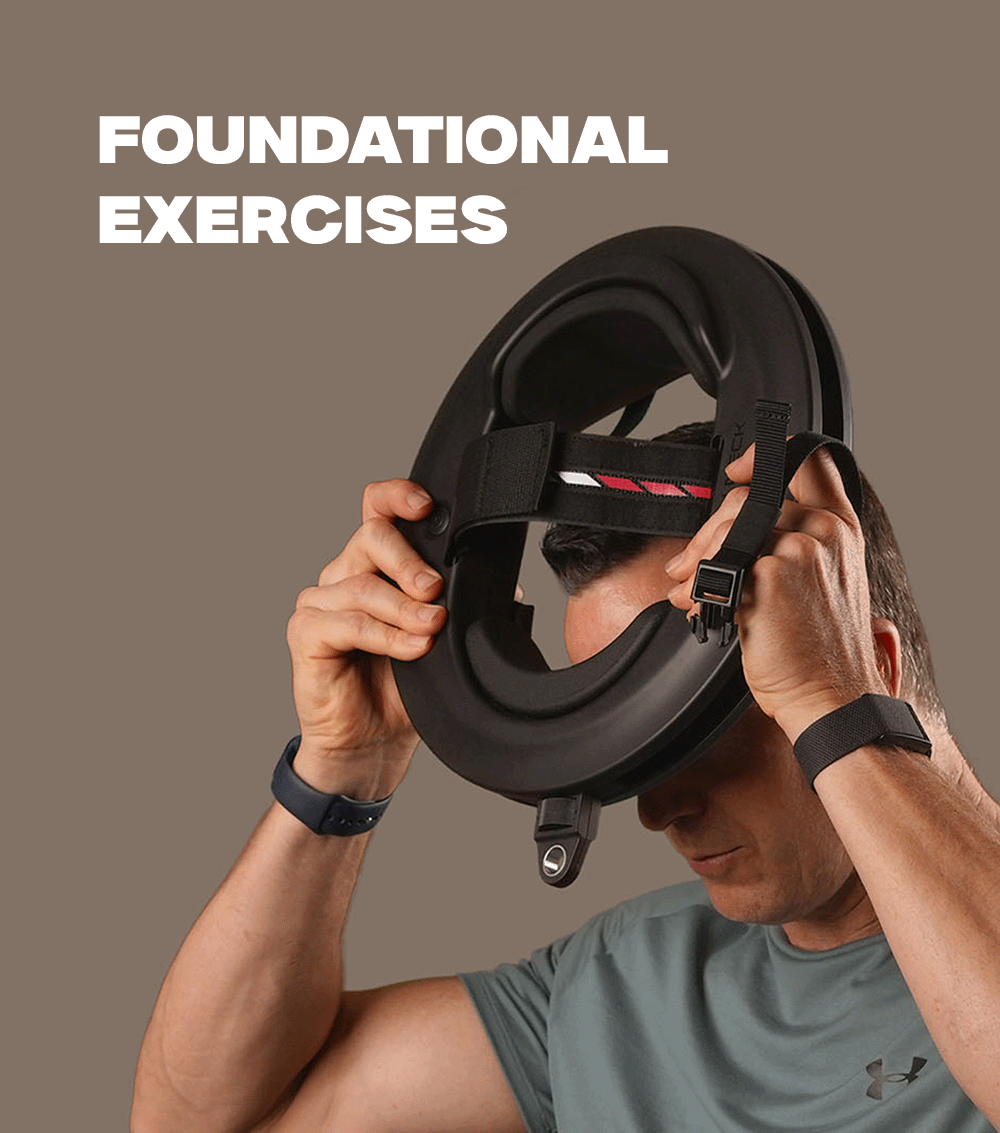
For long-term cervical health and strength, combining daily chin tucks with progressive cervical resistance training using the Iron Neck device produces the most comprehensive results. The Iron Neck provides adjustable, 360-degree resistance for cervical rotation and extension training, building the overall cervical strength that makes good posture effortless rather than effortful.
Iron Neck is the only device that trains your neck through 360 degrees of resistance, combining rotation, extension, and lateral movement in one tool. Used by NFL teams, UFC fighters, and physical therapists.
Frequently Asked Questions
How many chin tucks should I do per day?
For posture correction and neck pain relief, aim for 3 sets of 10-15 repetitions, 2-3 times per day. Hold each tuck for 2-3 seconds. Consistency matters more than volume — daily practice produces better results than occasional high-rep sessions.
Do chin tucks really fix forward head posture?
Yes, chin tucks are one of the most evidence-backed exercises for correcting forward head posture. They strengthen the deep cervical flexors and stretch the suboccipital muscles, directly addressing the muscle imbalances that cause the head to drift forward.
How long until chin tucks improve my posture?
Most people notice reduced neck tension within 1-2 weeks. Measurable posture improvement typically takes 4-8 weeks of daily practice. For severe forward head posture, combining chin tucks with comprehensive neck strengthening using a device like the Iron Neck produces faster results.
Can chin tucks cause any harm?
Chin tucks are very safe when performed correctly. Avoid forcing the movement or creating pain. If you experience sharp pain, dizziness, or tingling, stop and consult a healthcare provider. The movement should feel like a gentle stretch, not a strain.


Leave a comment
This site is protected by hCaptcha and the hCaptcha Privacy Policy and Terms of Service apply.